22 May 20265 min read
The Role of Engineering in Building a Smarter Future
EngineeringInnovationTechnologyInfrastructureFuture Development
Article content
Engineering has always been one of the most important foundations of human civilization. From ancient bridges and roads to modern skyscrapers and advanced computer systems, engineering continues to shape the world in countless ways. It is a field that combines creativity, scientific knowledge, and practical problem-solving to design solutions that improve everyday life. As technology rapidly advances, engineering is becoming even more critical in addressing global challenges and building a smarter, more sustainable future.
Engineering is not limited to one discipline. It includes several branches such as civil engineering, mechanical engineering, electrical engineering, computer engineering, chemical engineering, and aerospace engineering. Each branch focuses on different aspects of design, construction, and innovation, yet all contribute to improving society. Engineers play a vital role in creating the infrastructure, machines, systems, and technologies that people rely on every day.
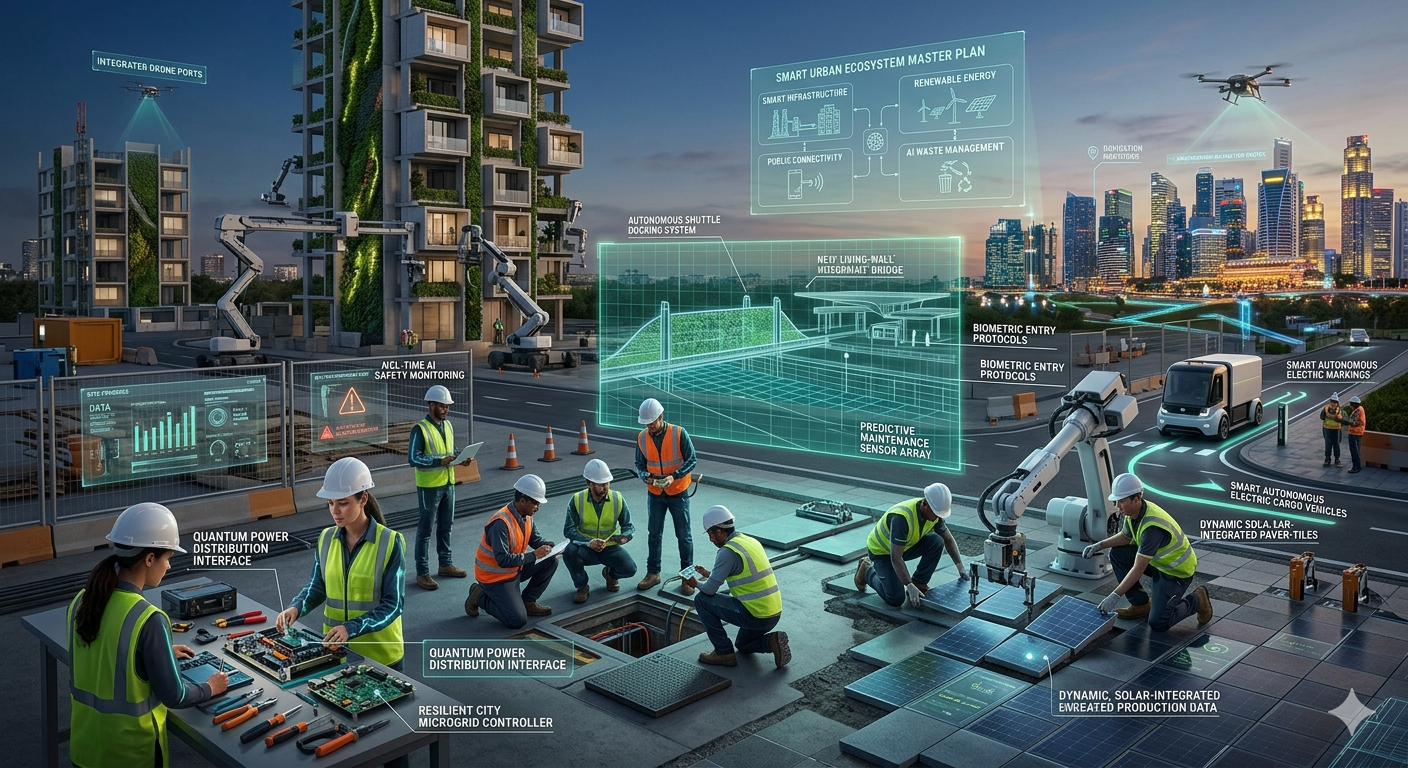
Civil engineering is one of the oldest and most visible branches of engineering. Civil engineers are responsible for designing and constructing buildings, highways, bridges, tunnels, dams, and transportation systems. Modern cities depend heavily on civil engineering for safe and efficient infrastructure. As urban populations continue to grow, civil engineers face the challenge of developing smart cities that are environmentally friendly, energy-efficient, and capable of supporting millions of people. Sustainable construction materials, advanced drainage systems, and earthquake-resistant structures are examples of innovations transforming the field.
Mechanical engineering focuses on machines, engines, and mechanical systems. Mechanical engineers design products ranging from household appliances to industrial robots and automobiles. The rise of automation and robotics has significantly expanded the importance of this field. Manufacturing industries now rely on automated systems to improve productivity, reduce costs, and maintain high precision. Mechanical engineers are also heavily involved in renewable energy technologies, including wind turbines, electric vehicles, and energy-efficient machinery.